How to Think About Fashion Seasons When Designing Your Next Clothing Collection
May 30, 2025
“For everything, there is a season.” If you ask us, the adage is true. And the world of fashion knows that perfectly well, because designing a clothing collection is about more than creativity. It’s also about timing, strategy, and understanding how your pieces will live in the real world.
Whether launching your first capsule or expanding into wholesale, wrapping your head around fashion seasons is essential. And while the traditional fashion seasons calendar still plays a major role in how the industry operates, the rules are changing. Designers today have more freedom, but also more choices to make.
So how do you design with seasons in mind without getting overwhelmed? How will you better understand the seasonality of the fashion world while exploring creativity within those basic rules? Here’s how to think strategically about seasons in fashion as an emerging designer, and more importantly, how to make those seasons work for you.
Fashion Seasons Calendar Explained
Let’s start with the basics. Four seasons? Not exactly. From the bird’s-eye view, it’s more like two. The traditional fashion seasons calendar revolves around two major collection drops each year:
- Spring/Summer (S/S): These collections are typically showcased in September and delivered to stores between January and March.
- Fall/Winter (F/W): These are shown in February and delivered between July and September.
This system is built for wholesale retail timelines, where buyers will have to place orders months in advance to stock their stores ahead of seasonal demand.
So if you’re aiming to sell wholesale, you’ll need to follow these lead times closely. Your designs will need to be finished, sampled, and shown to buyers a full season before they land on those customer racks.
The fashion seasons calendar can feel rigid, true. But it exists for a reason. It helps buyers plan inventory, allows for production lead time, and gives brands structure. And if you’re selling direct to consumer (DTC)? You have more room to experiment.
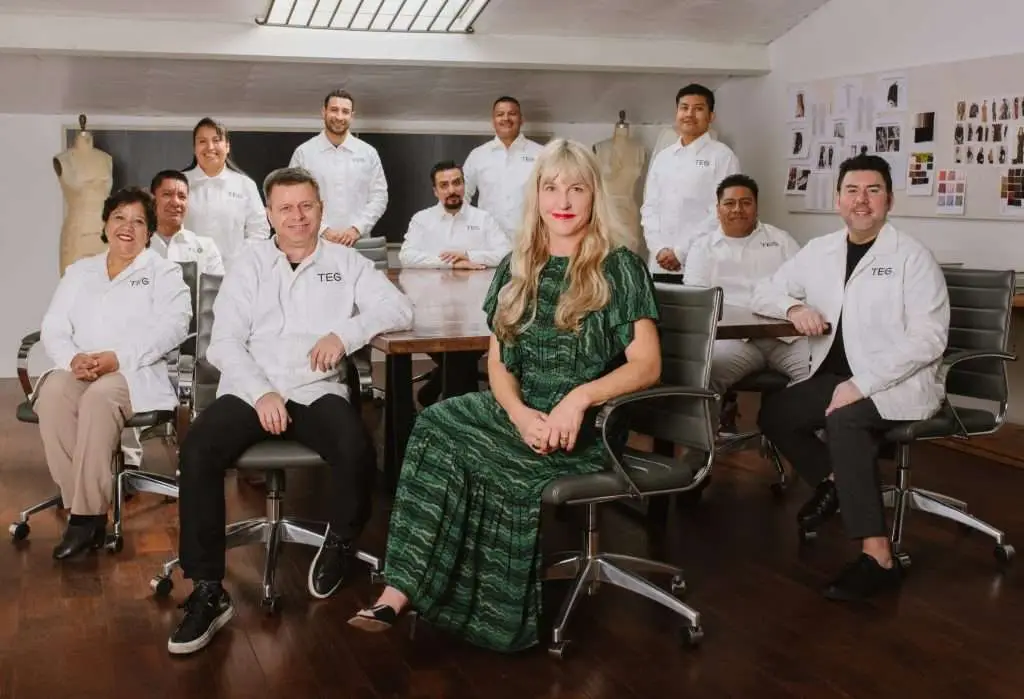
At The Evans Group (TEG), we help emerging designers navigate both wholesale and DTC models, ensuring their production timeline matches their distribution strategy. It’s this kind of planning that makes you far more likely to find resonance between your product’s launch and the season it’s in.
Know Your Customer’s Real-World Buying Habits
Not everyone shops like a New York buyer. That’s why it’s crucial to understand your customer’s actual lifestyle. Direct-to-consumer brands often operate on a different schedule entirely. Instead of designing for traditional fashion seasons, you might plan your launches around:
- Weather in your region (for example, a summer drop might launch in March in LA but May in Chicago)
- Major shopping events like back-to-school, holidays, or vacation season
- Your customer’s lifestyle rhythms: do they travel in spring? Work from home all year?
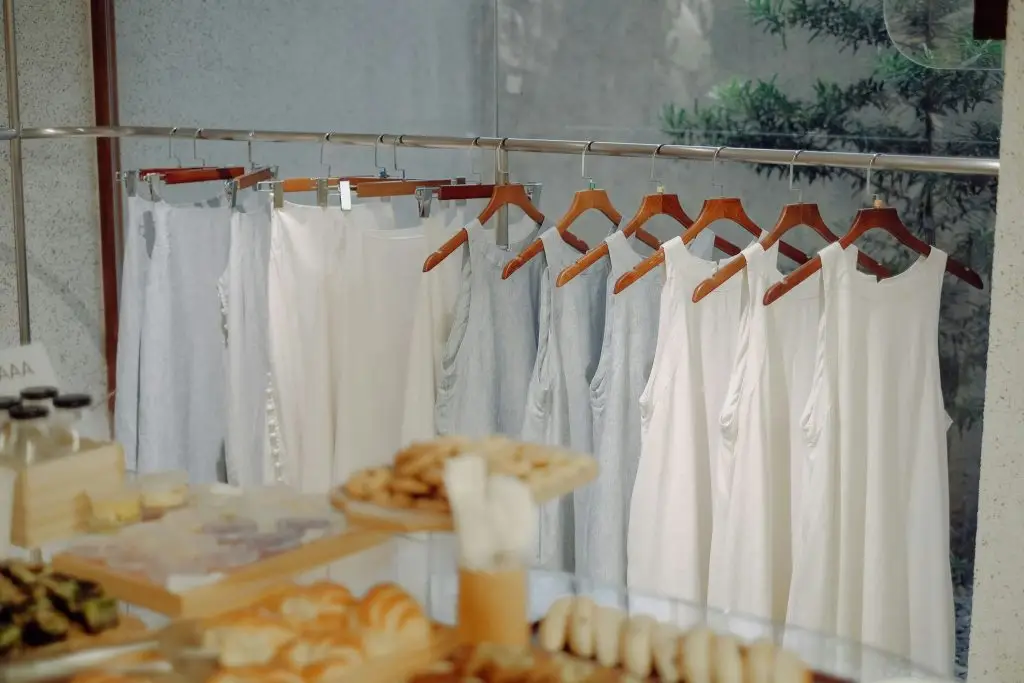
And then there’s the rise of “seasonless” collections, or designs that work across multiple seasons or aren’t tied to a specific time of year. This approach works well for brands focused on sustainability, minimalism, or slow fashion.
The key is to know your customer. What are their concerns, and how might those concerns change and adapt over the course of the year? Knowing your customer allows you to design smarter and release collections that feel relevant when they launch.
TEG works closely with designers to align their collections with their audience, not just the industry calendar. Because building a brand your customer connects with is more important than hitting arbitrary deadlines.
Plan Ahead (Way Ahead)
Whatever seasonal strategy you choose, one thing stays the same: you need to plan ahead.
Designing a collection takes time. A lot of it. And most of that time gets eaten up before you even reach production. Let’s break it down:
- Design: 2–4 months (or more) depending on revisions
- Sourcing and sampling: 1–2 months
- Production: 1–3 months, depending on volume and complexity
- Marketing setup: 1–2 months (photoshoots, lookbooks, e-commerce, etc.)
To hit a July delivery, for example, you may need to start working on your Fall/Winter collection in October of the previous year. Sound intense? It is. Or rather: it can be. But when you work backward from your ideal launch date, you can break the process into manageable chunks.
At TEG, we help emerging designers create a realistic timeline from the jump, ensuring each phase of your collection build is well-paced and intentional.
Decide If You’re Designing for Seasons or Stories
Every brand needs rhythm. But not every brand should march to the same rhythm.
Traditional fashion seasons work well if you’re focused on wholesale, want to align with the global market, or plan to attend trade shows. But for other brands, a drop model or narrative approach can offer more creative freedom.
A few alternative approaches:
- Seasonal stories: Think themes like “New Beginnings” in spring or “Cozy Core” in fall
- Monthly mini drops: Smaller collections launched on a regular schedule
- Customer-driven rhythm: Launching based on audience demand, not the calendar
Ask yourself:
- Does your brand thrive on storytelling?
- Are you designing in response to trends or creating your own path?
- Do your resources allow for large seasonal collections, or are small drops more manageable?
TEG works with brands on both ends of the spectrum. Whether you need a production partner for big seasonal drops or more nimble mini-collections, we help you match your design process to your brand’s personality.
Use Seasons to Guide Your Product Mix
Even if you go off-calendar, fashion seasons still offer a practical framework for building your collection. Think of them like pirate rules: useful, but more of a loose guide than a tight regulatory framework.
- Spring/Summer: Focus on breathable fabrics, lighter color palettes, and transitional pieces that can be layered. Think linen, cotton, jersey, sleeveless silhouettes, and easy shapes.
- Fall/Winter: Think warmth and texture. Outerwear, knitwear, heavier wovens, and deeper tones tend to do well. Layering is key, as is comfort.
Color, fabrication, and styling should align with what’s happening in your customer’s world. If it’s snowing outside, shorts probably aren’t going to sell, no matter how “cool” they look. (In fight, they might look downright cold, depending on the season.)
By keeping seasonal function in mind, you can build your variable fashion seasons clothing line that not only looks beautiful, but meets your customer expectations right where they are. This creates more resonance between your fashion line and your audience.
Communicate Seasonality in Your Marketing
Designing with seasons in mind is one thing. Telling that story to your audience is another. Even if your brand leans “seasonless,” you still want your launch timing and messaging to feel timely. For example:
- Frame a launch as a “spring refresh” or “cozy fall essentials.”
- Use seasonally appropriate backdrops and styling in your photography
- Time your launches around when customers are thinking about wardrobe shifts
You don’t need to be literal. But tapping into seasonal energy helps your brand feel relevant. Customers aren’t just buying clothes. They’re also buying moods, moments, entire lifestyles.
TEG supports clients through every stage of development, including brand storytelling and visual direction. Because the strongest collections will do more than show up. They’ll find deep resonance within your audience, building the kind of reputation that hopefully drives consumers to say: “I have to share this collection with other people!”
Why Seasons Bring Both Structure and Flexibility
Understanding fashion seasons isn’t just about hitting deadlines. It’s about thinking strategically. It’s about knowing when your customer is ready to shop, how to align your design process with production realities, and when to break the rules for the right reasons.
Whether you’re following the fashion seasons calendar or writing your own playbook, seasonal awareness can help your brand grow with intention.
At The Evans Group, we help designers navigate the complexities of development and production while staying true to their creative vision. From calendar planning to collection strategy, we’re here to help you show up with purpose, and deliver with precision.
So what season is it for you? Maybe it’s the perfect time to start building. Let’s talk.