Cut and Sew Manufacturing vs. Ready-to-Wear: What LA Designers Need to Know
December 10, 2025
Every production decision you make as a designer matters. That’s not just true of the collection you’re currently working on. It’s a weight that matters for where you’re headed as a brand.
That’s especially true in Los Angeles. Designing here comes with real advantages: access to skilled labor, for example. Faster feedback loops. And a deeply interconnected fashion ecosystem.
But production in L.A. also comes with pressure. Timelines move quickly, expectations stay high. And the choices you make early on can either give you lots of flexibility, or end up costing you down the line because you have to change your production schedule.
Perhaps the most important choice you make? How you manufacture your garments.
For most LA designers, the decision comes down to two potential paths. Will you pursue cut and sew manufacturing or ready-to-wear production? Both paths can work. Both serve specific needs. And both come with potential trade-offs that aren’t always obvious at first glance.
Understanding how these options work can help you choose a production model that supports your brand instead of constraining it.
Definition and Core Process
At its core, cut and sew manufacturing is just what it sounds like. You fashion raw fabric into garments. You cut them into individual pattern pieces. You sew them together. You finish them the way you like.
Easy enough, right? But in practice, it’s much more than a mechanical process.
Cut and sew manufacturing typically begins with fabric sourcing. What fabrics will you use? Then that’s followed by cutting, sewing, construction, and finishing. You’ll want oversight at every step, making sure that each decision makes sense within the context of your overall production process. This model is especially common in local production environments like Los Angeles, where designers can remain closely involved throughout development.
Because everything is built from the ground up, cut and sew manufacturing gives you plenty of control. Designers can refine fit as they go. They can also test fabrics, experimenting with construction details before you commit to manufacturing in a larger run.
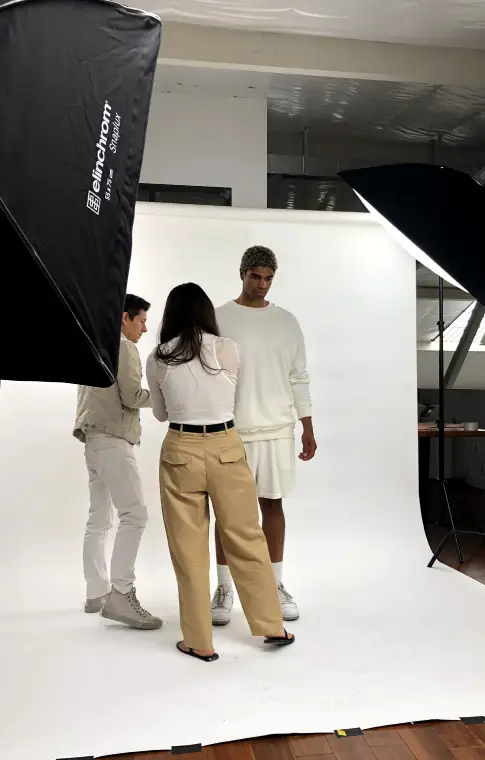
What Is Ready-to-Wear (RTW) Manufacturing?
How Ready-to-Wear Works
Ready-to-wear manufacturing takes a different approach. It doesn’t start from scratch. Instead, it relies on pre-existing patterns and standardized sizing, using established construction methods. Garments will be designed to fit a broad market need. They can potentially be produced overseas or in large-scale facilities where you can optimize for volume.
The idea here is two-fold: speed, and consistency. Once you lock in your design, you can replicate that design at scale, making it affordable to produce. If you’re a brand with a strong market and big sales forecasts, then this manufacturing style can be the only way to meet those demands. It all depends on the size of that demand and your priorities as a fashion brand.
Who Ready-to-Wear Is Best For
RTW is best suited for brands that already know what sells. You may be established as a brand, and you’re ready to give the market what it wants.
The designers who gravitate towards this model typically prioritize issues like speed to market. Or lower per-unit costs at high volumes. The more predictable production of RTW processes make it a natural “fit,” pun not intended. And when you run things this way, you’re ready to commit. Design changes can be expensive or even impractical. For newer brands still figuring out their identity, these strategies might not be a “fit.” Again, pun not intended.
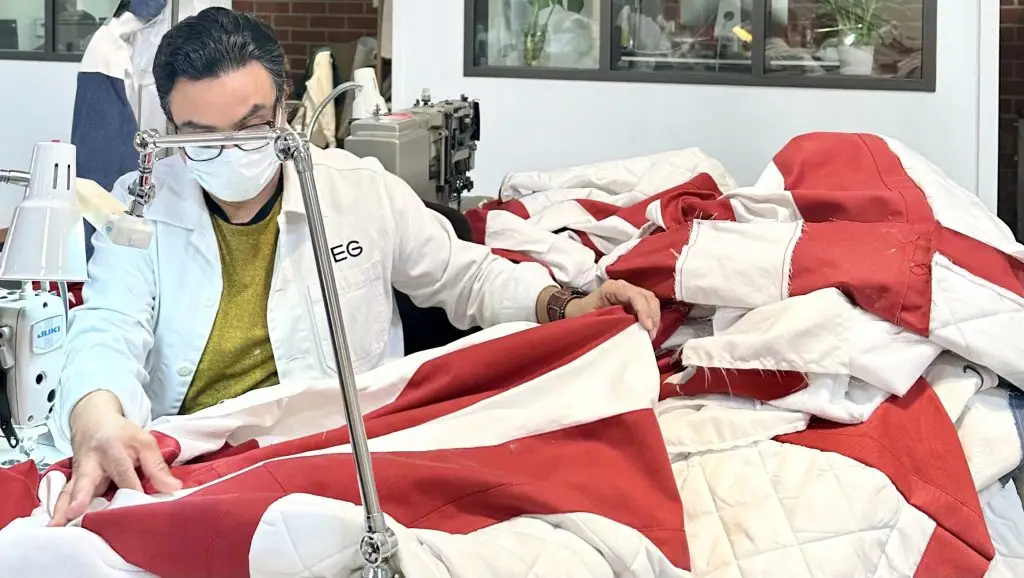
Key Differences: Cut and Sew vs. Ready-to-Wear
Design Control and Creative Freedom
The most noticeable difference between these models? The amount of creative control you get. Cut and sew manufacturing gives you more ownership over issues like silhouette, fabric choice, and construction. You can still make adjustments throughout development. In turn, that supports more experimentation and refinement over time. You may need it, especially when starting out.
Ready-to-wear manufacturing is a little more “pre-defined.” It will streamline production, yes, but it also narrows how many potential outcomes the garment might have. The emphasis with RTW is on efficiency, not creativity.
Cost Structure and Minimums
The cost differences between the two systems are a little less…straightforward than you’d imagine. Cut and sew manufacturing can include higher upfront investment. After all, there’s sampling, development, etc. The advantage of this is that it allows for smaller runs and more gradual scaling.
RTW production, on the other hand, will typically come with larger minimums but maybe smaller per-unit costs. That means the cost savings may only start appearing once you’re ready to start producing at greater volumes.
Understanding these dynamics helps you avoid committing to production models that don’t align with your cash flow or growth stage. Again, it’s all about your individual choices—and where you see your brand’s current status.
Quality, Fit, and Brand Identity
Fit consistency has a huge impact on how customers perceive your brand. A brilliant fit? They’re going to love it. A poor fit? They may never purchase from you again.
That’s why it’s important to understand how to develop a comfortable fit. Local cut and sew manufacturing can make it easier to refine your fit. You’ll get to try out hands-on fittings, for example. You can make faster revisions, correcting issues before they multiply. With RTW manufacturing, you’re relying more on standardized “settings.” This makes it more difficult to fine-tune a garment once you’ve committed to production.
Why LA Designers Lean Toward Cut and Sew
Speed to Market and Communication
It may seem counterintuitive, but local cut and sew manufacturing often speeds things up. Being in the same city allows for direct communication, quicker revisions, and real-time problem-solving. Designers don’t have to wait weeks for feedback or samples to return. Issues can be addressed as they surface.
Supporting Emerging and Independent Designers
Cut and sew manufacturing also creates more accessible entry points for new brands. Smaller runs. Collaborative development. Flexible timelines. These all make it easier to test your ideas without overcommitting to a wrong decision. For many LA designers, this approach provides room to learn, and grow without tacking on any unnecessary risks.
When Ready-to-Wear Makes Sense
Scaling an Established Brand
As brands mature, priorities change. Once fits are proven and demand is consistent, ready-to-wear manufacturing can support larger volumes and wider distribution. At that stage, the efficiencies of RTW production often outweigh the need for ongoing iteration.
Hybrid Models
A lot of LA designers don’t choose one model forever. Instead, they develop garments through cut and sew manufacturing, then transition successful styles into RTW production once demand justifies scale. This hybrid approach preserves design integrity while allowing for growth.
Choosing the Right Cut and Sew Partner
What to Look for in a Cut and Sew Contractor
The success of cut and sew manufacturing depends heavily on the partner you choose. Experience, transparency, and communication are key. Strong contractors ask questions, explain their process clearly, and set realistic expectations. Red flags tend to show up in different forms. Vague timelines, for example. Inconsistent documentation, or reluctance to discuss constraints. Learn more about how to pick a good cut and sew contractor here.
Why Designers Need Cut and Sew Services
Cut and sew partners bring more than labor to the table. They offer technical insight, collaboration, and problem-solving that help designers avoid costly mistakes during development. This support is especially valuable when decisions are still flexible…meaning you can still make them with some budget flexibility, too.

Cut and Sew at the High-End Level
How Established Designers Use Cut and Sew Manufacturing
Even established designers often continue using cut and sew manufacturing. They like the control. For example, with luxury and high-end brands, local production allows for tighter control over materials, construction, and each of the finishing details. It’s a level of oversight that’s difficult to replicate at scale—and maybe you didn’t want to scale so hard to begin with.
Making the Right Choice for Your Brand
There isn’t a single “correct” answer to the cut and sew versus ready-to-wear question. The right choice depends on your brand’s stage of development. Its goals. Its values. Some designers need flexibility and collaboration. Others need volume and efficiency. Many will move between these models over time.
For LA designers navigating these decisions, clarity is the real advantage. Understanding how each path works makes it easier to build a production strategy that supports long-term success.
If you’re exploring cut and sew manufacturing in Los Angeles, TEG offers collaborative, transparent support designed to meet your brand where it is and grow with it. Contact The Evans Group (TEG) to find out more about how you can get the most out of your manufacturing.