Choosing Between Overseas and USA Apparel Manufacturers: A Designer’s Guide
October 10, 2025
For most emerging designers, one question looms above all others. Where should I produce my collection?
Questions abound. Do you go overseas? You can chase lower prices and established supply chains there. Do you stay local? There you can visit the factory and oversee production.
Truth be told, there’s no easy answer. Each option has its tradeoffs. There are a million variables to consider: cost, speed, quality, sustainability. But understanding those tradeoffs is what helps designers make smarter decisions for their business.
What’s right for your brand? This guide will break down what you need to know, from the big picture of global manufacturing to the practical realities of working with factories in the United States.
The Big Picture: Why Many Brands Go Overseas (and Why Some Stay Domestic)
For decades, fashion production followed one rule: go where it’s cheapest. When labor costs dropped in manufacturing hubs like China, Bangladesh, and Vietnam, brands moved fast. Lower wages plus large-volume production meant bigger margins and faster growth.
But the world’s changed. Shipping delays, trade tariffs, and rising labor costs have made overseas production less predictable. Consumers are also asking harder questions. Who made my clothes? Were they paid fairly? What does your brand stand for, exactly?
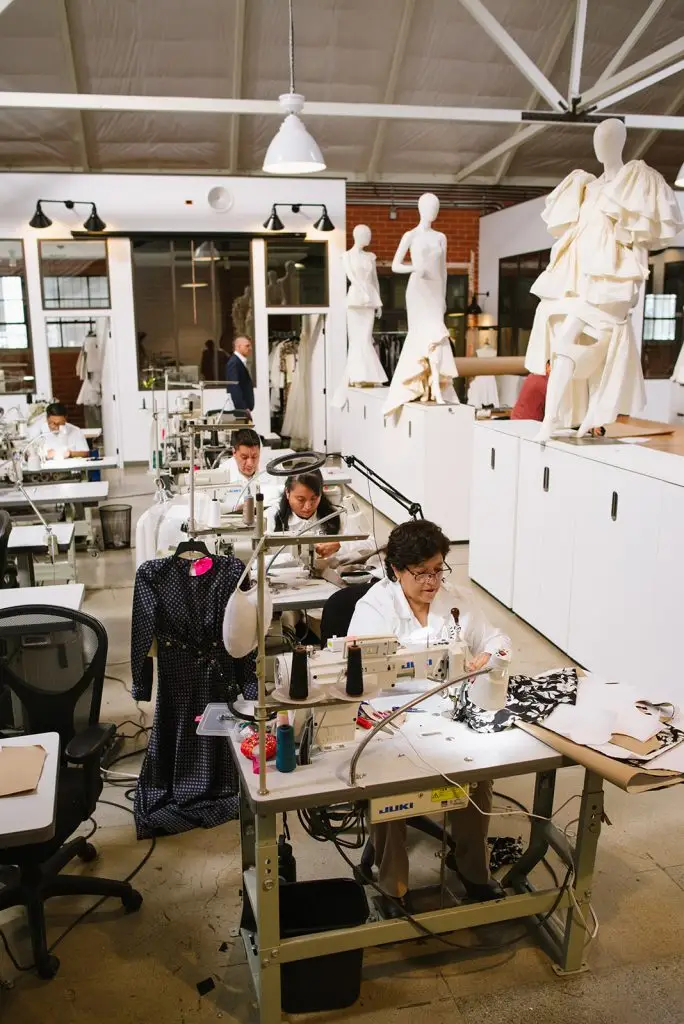
That pressure is bringing production back home. Factories in Los Angeles, New York, and other U.S. cities are seeing new energy from designers who want more control. Local production allows for faster decisions, easier collaboration, and clearer accountability.
The truth is, both approaches still have their place. The key is knowing what matters most to your brand. And what you’re willing to trade to get it.
Key Factors to Evaluate When Choosing a Manufacturing Location
Every designer has different priorities. Here are a few of the factors to consider before you decide whether to go overseas or stick to the U.S. of A.
Cost Structure
The biggest draw of overseas production is cost. Labor is cheaper, and when you’re producing thousands of units, the price difference can be huge.
But there are hidden costs that can eat into those savings. Freight, customs, duties, and unexpected delays all add up. And if you need to fix quality issues later, reworking or reshipping can erase much of what you saved upfront.
Domestic production has higher labor rates and overhead. But it can make sense for smaller brands. You’ll save on shipping, revisions, and communication gaps. When you’re producing limited runs, a local partner often helps you manage costs more efficiently in the long run.
Lead Times, Flexibility, and Speed to Market
Fashion moves fast. The ability to react to differing trends can make or break your launch. When you manufacture overseas? Everything will take longer: samples, revisions, finished products. These all have to cross oceans and pass through customers. Even a single miscommunication can delay things by weeks.
Local factories run on a different clock. Sampling is faster. Adjustments are easier. You can meet your team in person and make changes on the spot. For designers testing new ideas or adapting to trends, that kind of flexibility can be worth its weight in gold.
Quality Control and Communication
Quality is where distance can really show. When your production is close by, you can visit the factory, check samples, and fix issues before they spread. You can have conversations instead of waiting on long email threads.
Overseas production can work beautifully, too. Many international factories produce for major luxury brands. But you’ll need solid systems in place. Detailed tech packs, clear instructions, and regular quality checks are essential. If you thrive on hands-on collaboration? Domestic production will feel more natural. If you value scale and can manage communication well, overseas might fit just fine.
Minimum Order Quantities (MOQs) and Scalability
This is one of the biggest practical differences. Overseas manufacturers usually want large orders. They rely on volume to keep costs down. Minimums of 500 or 1,000 units per style are common. That’s tough for newer designers who want to start small. In the U.S., factories tend to work with smaller runs, which give you flexibility to test designs and get new feedback.
Ethical, Social, and Branding Considerations
“Made in USA” means more than geography. It signals an entirely set of different values, which is especially important to sustainability-focused consumers stateside.
Domestic production lets you confirm working conditions, pay standards, and sustainability practices firsthand. You know the story behind your garments; so does your customer. That kind of transparency builds trust for your brand. It’s why so many modern brands lean into ethical and sustainable production.
Risk Management and Supply Chain Resilience
If the last few years proved anything, it’s that global supply chains are fragile. Geopolitical tension, shipping delays, and even weather events can throw off your timelines. When your entire production sits halfway around the world, you lose flexibility. Local manufacturing helps reduce that risk. You can visit your partners, pivot faster, and find backup suppliers nearby if something goes wrong.
Strengths and Challenges of USA Manufacturing
So what about manufacturing in the US of A? It’s not all sunshine and rainbows. There are strengths and weaknesses that everyone should pay attention to:
Strengths:
- Faster turnaround and shorter lead times
- Easier communication and oversight
- Ideal for small batches or custom runs
- Stronger alignment with sustainability and ethics
Challenges:
- Higher cost per unit
- Limited capacity for large orders
- Some materials still sourced internationally
- Certain finishing services harder to find domestically
Strengths and Challenges of Overseas Manufacturing
Strengths
- Lower labor costs in many regions
- Established infrastructure for mass production
- Access to specialized materials or processes not always available in the U.S.
Challenges
- Longer timelines and more complex logistics
- Higher risk of communication gaps or quality variation
- Import taxes, tariffs, and customs delays
- Less flexibility once production begins
How Emerging Designers Can Make the Decision
Start by getting honest about your priorities. Are you focused on price? Speed? Ethics? Creative control? Run the numbers carefully. Include hidden costs like freight, duties, and the possibility of revisions. A lower unit price doesn’t always mean a better deal, after all.
If you can, test both. Run a small pilot domestically to fine-tune your samples and patterns. Once you’re confident, explore overseas options for scale. You can always optimize later; for now, your goal is just to learn. Most importantly, choose partners who communicate clearly and share your values. Ask questions. Request photos and progress updates. Visit in person when you can.
This is your brand, remember. The more you understand your production, the stronger your foundation will be.
The Role of a Trusted Production Partner
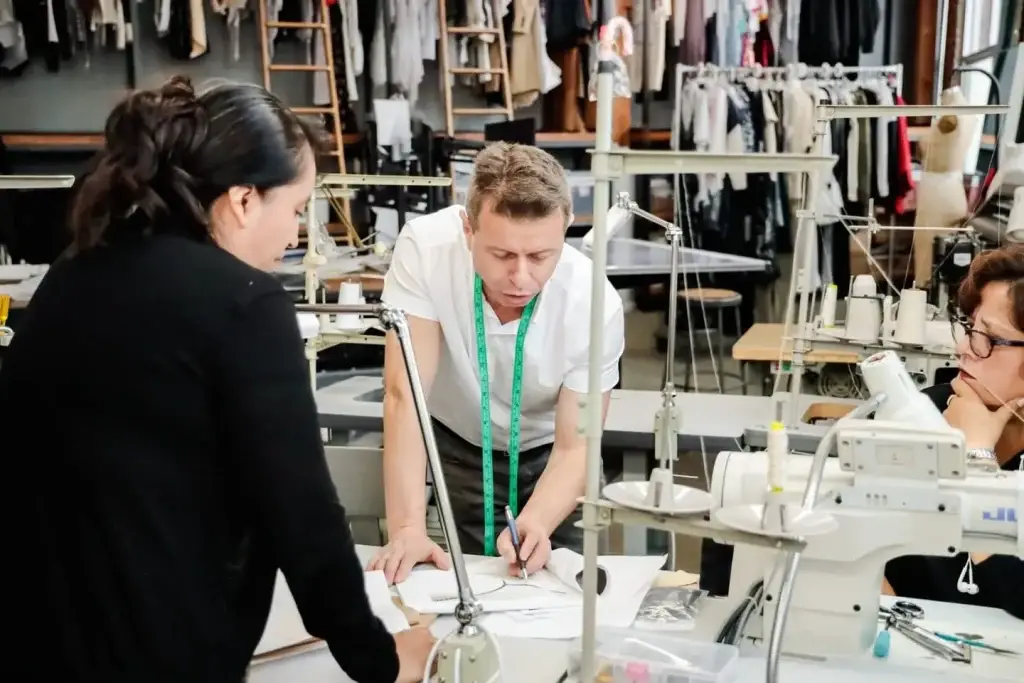
Choosing where to manufacture is one of the biggest decisions you’ll make. You don’t have to do it alone. A full-service partner like The Evans Group (TEG) can help you evaluate both domestic and overseas options. The team can assist with tech packs, sourcing, and vendor vetting. They can also oversee sampling and quality control so you don’t have to juggle every detail yourself.
That kind of guidance is critical, helping reduce mistakes while helping designers embrace the challenges of launching their first collection. Yes, you might choose local or global. Yes, every designer’s priorities will be different. But ultimately everyone should have the help they need to make an informed and confident choice.
To find out more about how to make it happen for your brand, reach out to The Evans Group and find out how we can help.