How to Build a Strong Relationship With Your Cut & Sew Manufacturer
November 15, 2025
Too often, manufacturing feels like a transaction. You bring the design, the factory offers the labor. You sign agreements. Samples get made, garments move down the assembly line, and…what next?
If that feels “off” to you, you’re not wrong. Ideally, your relationship with your manufacturer is just that—a relationship. Not another item on your checklist. With a collaboration built on trust, communication, and shared accountability, you’ll have something that feels more like a partnership. And when you have a good partnership in your corner, everything becomes less stressful.
Your cut & sew manufacturer partnering with you can alleviate a lot of fears. And when you approach it the right way, it can be something that you build intentionally. You’ll start by testing the right partners, looking for red and green flags, and ultimately choosing someone whose experience and tastes match your own. Here’s what that relationship can look like when you approach it the right way.
Understanding the Role of a Cut & Sew Manufacturer
What Cut & Sew Manufacturers Actually Do
One of the most common misunderstandings about cut & sew manufacturers? Thinking that their role is sewing. Nothing else—just beginning and ending with sewing.
In reality, that’s just part of the process.
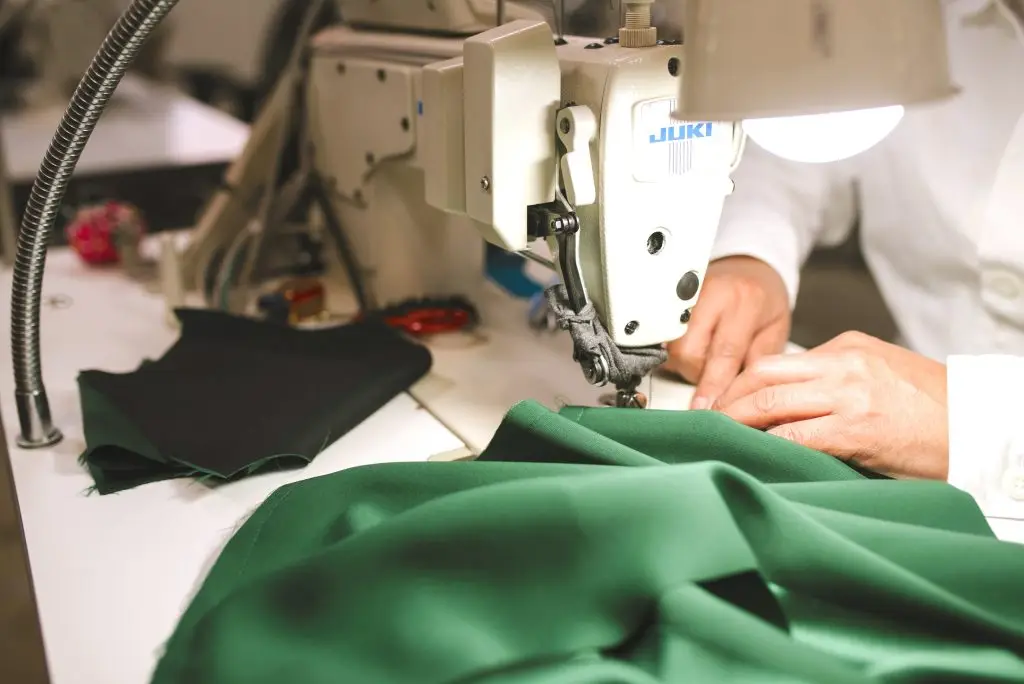
A true cut and sew manufacturer’s responsible for all sorts of things. They have to cut the fabric accurately, build garments to spec, manage finishing details, and address production challenges as they pop up.
In other words, they go beyond executing from a list of instructions. They’re your problem-solving partner, working through each challenge and solving new puzzles alongside you.
Why Designers Need Cut & Sew Services
Let’s say you’ve launched a new brand. As that brand grows—and ideally, it is growing—the production decisions you have to make every day become more complicated.
Materials behave differently at scale. Construction shortcuts that worked well for samples may not work in bulk. A minor fit issue that wasn’t a challenge early on can suddenly threaten the health of your entire fashion line.
This is where experienced cut and sew manufacturer services matter.
Manufacturers bring experience and perspective you don’t yet have. That’s especially true when it comes to scalability, durability, and efficiency. You can’t flag every potential issue on your own because you don’t yet know what problems are coming. Your manufacturing partner, on the other hand, can spot them a mile away.
Choosing the Right Manufacturing Partner
Not All Cut & Sew Contractors Are the Same
One of the biggest mistakes designers make is assuming all cut and sew manufacturers operate the same way. They don’t.
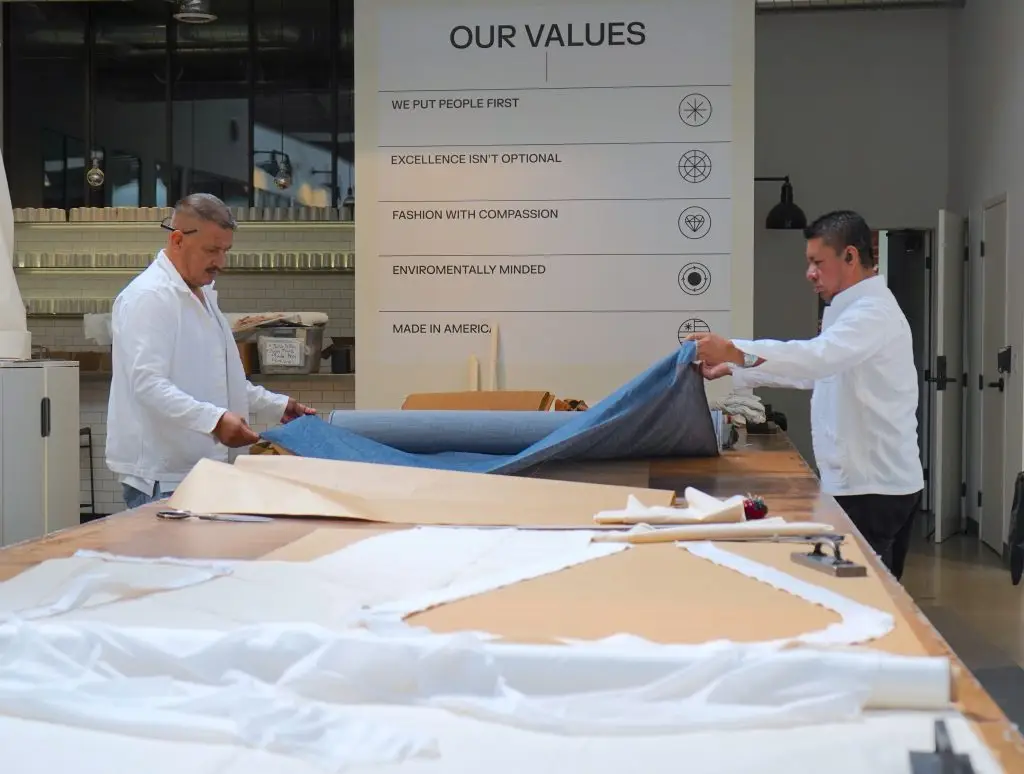
Some specialize in small batch production. Others focus on higher-volume runs. Some excel at complex construction, while others are best suited for simpler garments. Communication styles, turnaround times, and overall approach vary widely.
The key is building alignment.
A manufacturer that’s perfect for one brand may not be the right fit for another. For example, a factory built for speed may not be ideal if your brand prioritizes intricate craftsmanship. Even if the pricing looks appealing, the mismatch can create friction later.
Choosing the right partner means understanding where your brand is now and where you want it to go, then finding a manufacturer suited to that stage.
How to Pick a Good Cut & Sew Contractor
Once you accept that not all cut and sew contractors are the same, the next step is knowing how to choose wisely.
Start by asking clear questions. How do they handle revisions? How do they manage timelines and capacity? What does their communication process look like?
Pay close attention to how they answer. Transparency matters here, because it says a lot about how they feel about their approach. Transparency shows they’ve got a tried-and-true method, and they’re willing to share details about how that method works. It indicates confidence. They’re not hiding anything from you when they’re being transparent, after all. A willingness to explain their process clearly, without overpromising, is usually a good sign.
Setting Clear Expectations From Day One
Communication, Timelines, and Responsibilities
Even the best manufacturer can’t succeed if expectations aren’t clear from the start. But that also means we have to get clear about definitions. What does it mean to have clear communication?
For starters, ambiguity is where most production problems begin. Not because anyone is careless, but because assumptions quietly replace clarity.
Before work begins, it’s important to establish points of contact. Who handles questions? Who approves changes? Who flags issues when something doesn’t look right?
Timelines matter, too. Defining realistic turnaround times, revision limits, and approval processes early helps prevent frustration later and keeps projects moving smoothly.
Documentation Matters
Clear communication is about more than clear conversations. You should also document what you have. Tech packs? Patterns? Measurement specs? You’ll want these in written form. They give both sides a shared reference point and reduce the risk of misunderstandings. When instructions live only in emails or phone calls, important details can get lost. When they’re documented, everyone works from the same page.
Note that this isn’t about being rigid or inflexible. It’s about protecting your design intent while also respecting the realities of production. The clearer your documentation, the easier it is for your manufacturer to deliver exactly what you envisioned.
Why Local Cut & Sew Manufacturing Builds Stronger Relationships
The Los Angeles Advantage
There’s a reason many designers choose to work with local cut and sew manufacturers, especially in Los Angeles.
Proximity matters. It allows for in-person fittings, quicker feedback, and more hands-on collaboration. Issues can be addressed in real time instead of over long email chains or delayed shipments.
That closeness often leads to better outcomes, particularly during development and early production stages. If you’re near L.A. and want to know why it’s so important that you’re here a major fashion hub, these are just some of the reasons. Brands have serious advantages here, and it’s critical that you use them.
Supporting Long-Term Collaboration
Local partnerships have another advantage. They make scaling easier. As your brand grows, communication remains consistent. Trust builds faster. And adjustments can be made without starting from scratch.
Over time, that relationship becomes less transactional and more strategic. You’re no longer reinventing the wheel with every collection. You’re building momentum together.
Professional Etiquette That Strengthens Partnerships
Respect Time, Labor, and Expertise
Strong relationships are built on mutual respect. That means understanding production schedules and capacity. It means avoiding last-minute changes whenever possible. And it means recognizing that manufacturing timelines are often interconnected across multiple clients. When designers respect the process, manufacturers are more invested in the outcome.
Consistency Builds Confidence
Reliability matters: timely payments, prompt approvals. And ideally, always clear communication.
These signals tell your manufacturer that you’re serious, prepared, and respectful of their work. Over time, that professionalism influences priority, responsiveness, and willingness to go the extra mile when challenges arise.
Strong Manufacturing Relationships Create Better Brands
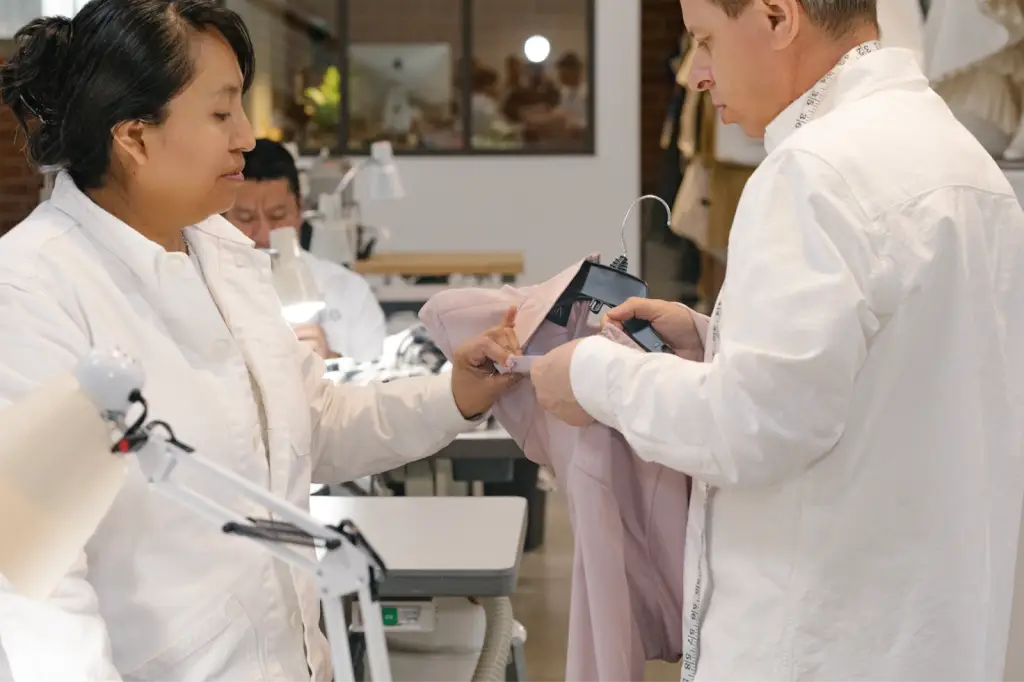
A healthy cut and sew partnership is built on communication, respect, and shared goals. It evolves over time. It adapts as your brand grows. And it turns manufacturing from a source of stress into a source of strength. The best manufacturers aren’t vendors, purely speaking. They’re also true-blue collaborators.
If you’re looking to build that kind of partnership, TEG offers cut and sew manufacturing in Los Angeles with a collaborative, long-term approach. Reach out to learn how we can support your brand’s next chapter.