5 Benefits of Working With Small Batch Production Clothing Manufacturers
June 17, 2021
Small batch production clothing manufacturers are providing fashion designers across the United States with the perfect solution for launching their brands and building their identity.
This article will explain five key tips every independent fashion designer needs to know when choosing a small batch clothing manufacturer.
What is Small Batch Production?
Small batch production is typically orders of 30-500 units (garments). In the past, American factories would almost exclusively work with established brands or large-scale orders.
The ‘Maker Movement1’ growth has given rise to companies like TEG that offer the production services independent fashion designers are looking for within the United States.
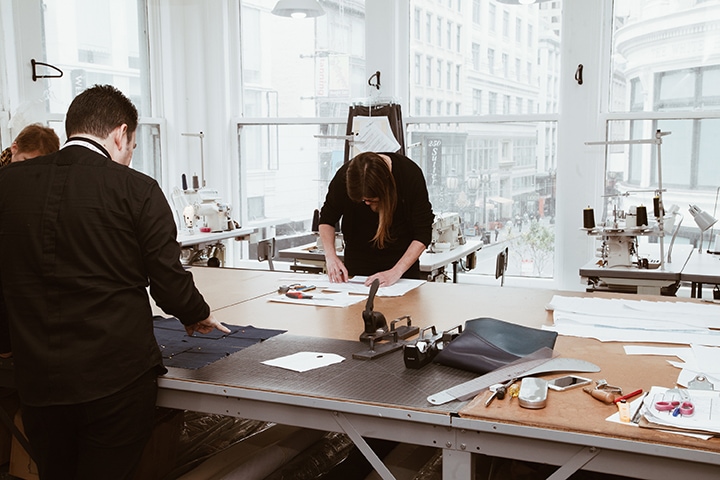
Technological advances have helped small batch clothing manufacturers grow a trendy niche in the industry. Online shopping has made expensive store overheads unnecessary, and social media has made marketing accessible to all.
Small batch clothing manufacturing makes production affordable.
Who Needs Small Batch Production Clothing Manufacturers?
Whether you are launching a new line or a new brand, small batch production gives you a way to control the costs and batch numbers. This gives you the peace of mind required when beginning a new venture that you don’t need to risk everything and be stuck with a load of unsold merchandise.
When it comes to choosing the right clothing manufacturer for you, the choices and considerations can seem overwhelming. Our article on ‘ What to Look for When Choosing a Clothing Manufacturer’ highlights the four most important aspects
5 Benefits of Using Small Batch Production with Clothing Manufacturers
Small batch production has opened doors for independent fashion designers looking to launch their styles and brand into the marketplace, without the need for extensive upfront financing.
The rise of small batch clothing manufacturing allows many brands and creatives to get into the market without large capital investment making for easy to test clothing concepts and lines.
1. Reduced Risks
Small batch manufacturing helps you avoid the risk of wasting time, money, and resources that can come with committing to a large scale inventory.
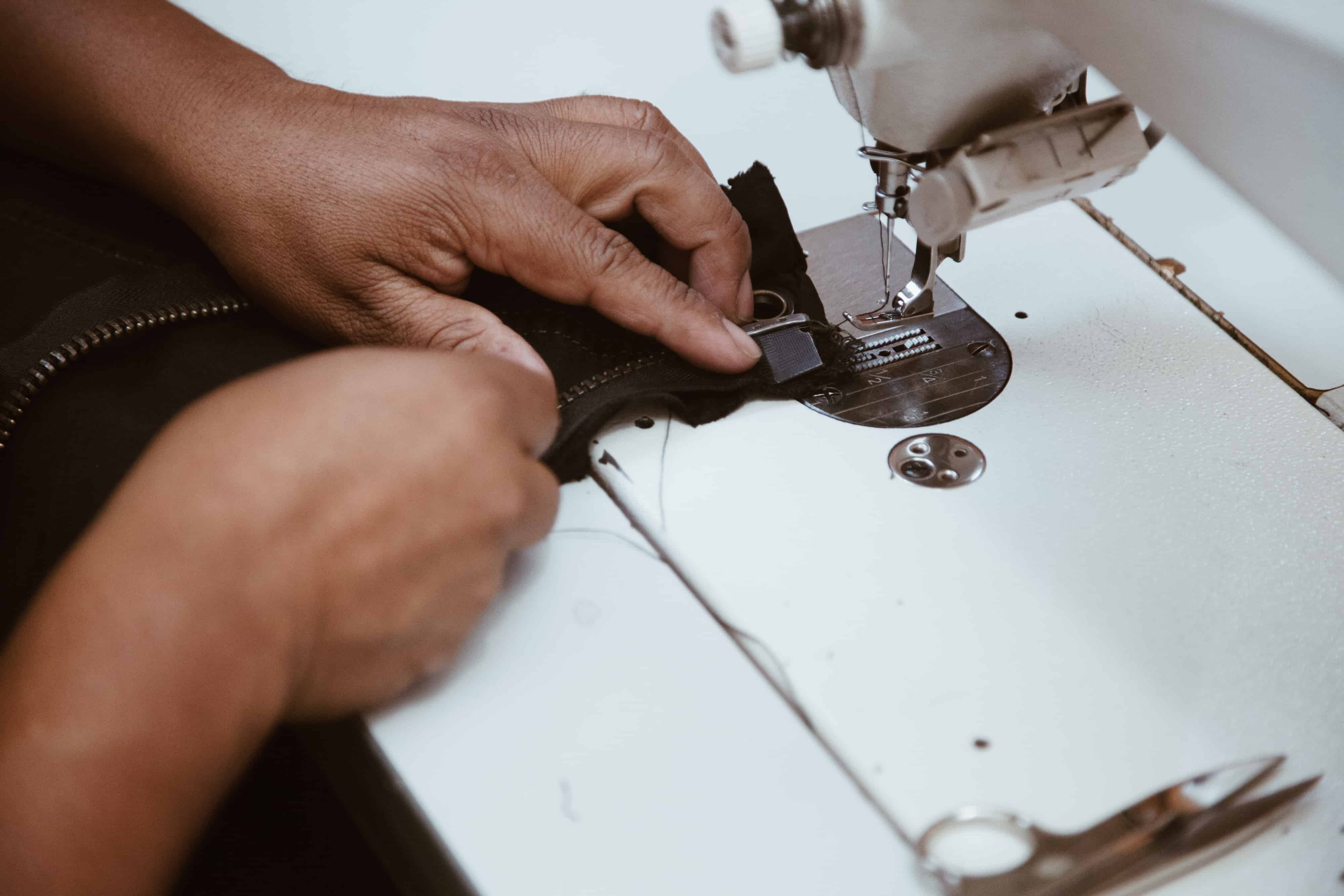
With small batch manufacturing, if you discover improvements that need to be made or minor errors that need fixing, you can do this seamlessly in the subsequent batch. You can avoid the horror stories of large quantity production being completed with a faulty product.
2. Efficient Market Testing
With small batch manufacturing, you can gauge the sales and orders of your garments and predict your growth more accurately.
By the time you have perfected your design, the initial sales will demonstrate the need to be met in the market and accurately predict the pace of growth.
With small batch manufacturing, minimum viable product testing is a concept from software and has become heavily adopted in successful fashion startups.
3. Agile Production
Small batch production has the added benefit of giving you more agility and control of your production cycle.
With smaller production numbers, you will have the ability to quickly make changes to your garments, helping you gauge the consumer response and reacting to the market demand within your niche.

This can give you a competitive edge as your merchandise adapts and delivers in a short time frame.
Agile production can also allow you to spur sales through ‘limited-edition merchandise, giving a sense of exclusivity to your products.
Consumers enjoy the feeling of exclusivity and personalization, knowing that what they’re wearing will not be found in mass production, helping you drive your sales.
You will also have the freedom to make changes more frequently without being tied to the traditional seasonal changes. This can give you more creativity with your designs and production.
Since the costs incurred with producing smaller batches are much less than with large-scale production, you have more flexibility and control over your releases.
4. Sustainability
Sustainability is becoming more prevalent as conscious consumers and production behavior continues to grow.
Smaller batches reduce the risk of substantial waste and take up fewer resources in production.
5. Speed
Small batch production can offer shorter lead times, allowing you to get your production off the ground and testing the market needs sooner.
Time is money, as they say, and so is customer insight. The faster you can generate real feedback and integrate improvements into your product, the better your final product.
Small Batch Production Tips You Need to Know
Small batch clothing manufacturers provide independent fashion designers with less risk, affordable production costs, and more control of their styles.
Whether selling online or selling to a retailer, these pro tips will help you understand and prepare for small batch production.
Know the Industry Lingo
Working with your small batch clothing manufacturer should be exciting, not confusing. Knowing these industry terms will help clarify the whole experience.
MOQ (Minimum Order Quantity)
The MOQ is the minimum of any style that a clothing manufacturer will make. Small batch clothing manufacturers usually begin at 50-100 units per style. Some factories will offer zero minimums.
Styles
Colorways and Options. A style is a single item; this can be a jacket, skirt, a pair of pants, etc. A colorway or option is the color, wash, or finish of any style. If you have designed a pair of pants and want one in blue, white, and black, this would be one style with three colorways/options.
CMT (Cut, Make, and Trim)
This is the entire assembly of the garment, and it is essentially another way of saying cut and sew manufacturing. If you feel a bit stuck choosing a good cut and sew manufacturer, our guide explains what to look for in six simple steps.
Blocks
A block is a silhouette that goes through minor changes from season to season. For example, a T-shirt you have which changes trim or a skirt which adds a pocket. Blocks can allow you to create a collection ‘staple,’ decreasing your development costs. This is a great way to establish a fit for your brand and add more collections while saving money.
Sourcing
This covers any form of gathering your resources, including fabric, printing, trims, embroidery, and anything else you have to procure.
Have Your Spec Sheets Ready
The first thing that the clothing manufacturer will need are your specification sheets.
This highlights your full design, the measurements, fabrics, printing techniques, and supporting images of your garments. It is important to include as much detail as possible about your design within these.

Some manufacturers may also ask for a tech pack. A tech pack is all-encompassing. It may include full detailed measurements, lining details, zipper or button customizations, swing tags, packaging, and more.
Based on your spec sheet details, manufacturers should be able to provide you with quotes for productions.
Ensure that you have a realistic budget in place here. Once you are pleased with the production costs (including sampling), you must begin the clothing manufacturing process.
Source Your Materials
Source all your materials and fabrics. There is a vast amount of fabric to choose from, and it can seem a bit daunting when choosing a supplier. You don’t need to know everything in advance.
As long as you have an idea of the materials and fabrics you want to work with and a direction you are going for with your designs, the supplier will work with you and guide you through the choices such as linen, cotton, viscose, rayon, and more.
If you require customized items such as zippers or buttons, or specialized buckles, be sure to give yourself plenty of time to source these. Clothing manufacturers may be able to help point you in the right direction here. Make sure to ask as they may know the right people or connections.
Made in the USA
Small batch production has brought a surge of life back to American factories, and independent fashion designers have pushed this trend. The desire to support American-made goods is nothing new, and factories such as TEG are making this as easy as possible.
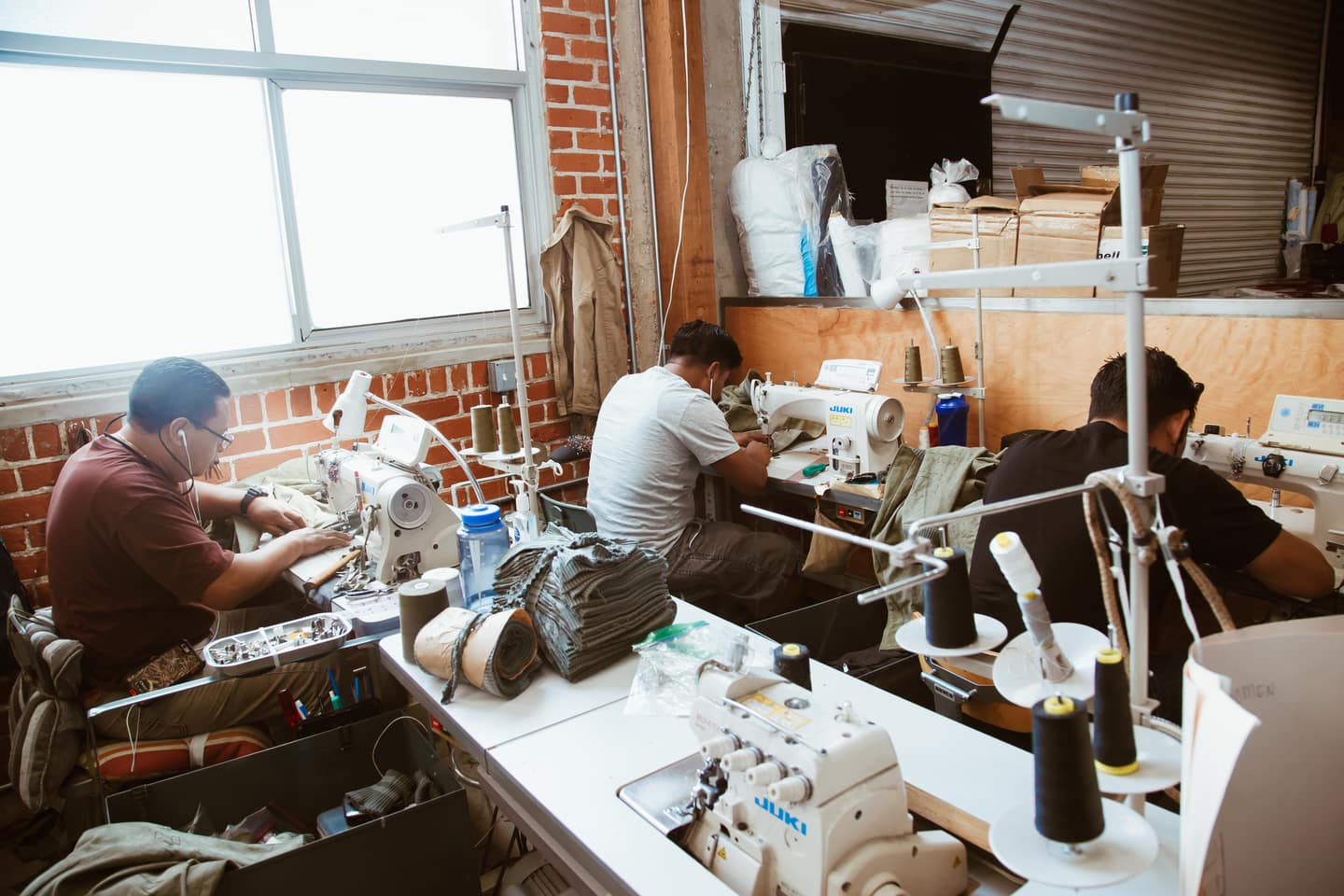
Small batch production isn’t just benefiting the designers, factories are enjoying the resurgence, diversifying their workloads and not having to rely on large production runs. This has developed stronger relationships between factories and fashion designers, creating a more personalized production experience.
Conclusion
Small batch production has provided a rebirth and a newfound strength to the artists and creatives. We hope to continue supporting those willing to risk it all to create their brand and legacy.
At TEG, we are committed to supporting independent designers and preserving that heart of craftsmanship and ingenuity. Our Factory Level Production specializes in cuts of 50-100, 100-300, and 300-1000 pieces per style.
We will also provide TEG Project Managers and Production Managers to work directly with independent fashion designers.
For all inquiries and questions, please call or fill out the below form, and we will respond within 1-2 business days. Thank you!
Los Angeles: 800-916-0910 | San Francisco: 415-324-8779