Fashion Mentorships: How Aspiring Designers Can Learn to Launch a Brand
December 15, 2025
Talent is rarely the missing piece in fashion. Most aspiring designers already have strong ideas, sketches, and inspiration. What they lack is not creativity, but business clarity. This is where a business-focused fashion mentor can make a real difference. They help designers move beyond concepts and into sustainable brand-building, offering practical guidance that most traditional fashion education simply does not provide.
If you are serious about launching a fashion brand, not just designing clothes, enrolling in a fashion mentorship program can be the difference between a stalled idea and a functioning business.
Why Fashion Brands Fail (And It Is Not Because of Design)
Many designers assume that success hinges on originality or aesthetics. In reality, most fashion brands struggle or fail because of business missteps. Poor pricing, unrealistic production plans, lack of cash flow awareness, and unclear timelines are far more common problems than weak designs.
Design schools and online courses often focus on creative development while glossing over how brands actually operate. Graduates know how to design garments, but not how to cost them, produce them responsibly, or sell them profitably. A business-focused mentorship addresses that gap directly, helping designers understand what it really takes to bring a collection to market.
What Is a Business-Focused Fashion Mentorship?
A business-focused fashion mentorship is practical, strategic, and grounded in real industry experience. Unlike generalized advice or motivational coaching, this type of mentorship centers on execution, meaning how to turn ideas into action while avoiding costly mistakes.
Working with a fashion mentor means learning how brands function behind the scenes. Mentorship covers areas like manufacturing readiness, budgeting, production planning, and long-term brand strategy. Instead of guessing your next steps, you gain a roadmap based on proven processes.
Mentorship vs. Fashion Consulting: What Is the Difference?
Designers often confuse mentorship with consulting, but the two serve different purposes. A fashion consultant is typically hired to solve a specific problem or provide targeted advice within a defined scope. Mentorship, on the other hand, is ongoing and holistic.
Understanding what a fashion consultant is can help clarify this distinction. Consultants might advise on pricing, sourcing, or marketing, while mentors guide decision-making over time, helping designers develop judgment, not just solutions.
For designers launching a brand, mentorship tends to be more impactful because it supports growth across multiple phases instead of addressing isolated issues.
What Aspiring Designers Actually Learn Through Mentorship
Learning the Real Cost of Launching a Brand
One of the first wake-up calls for new designers is cost. Sampling, pattern making, materials, production, packaging, and marketing all add up quickly. Mentorship helps designers build realistic budgets and understand where their money is going before it is spent.
Rather than learning through expensive trial and error, designers gain insight into typical cost structures and how to plan around them.
Manufacturing and Production Readiness
Many designers rush into production without understanding how manufacturing works. Mentorship teaches how to evaluate readiness, choose the right partners, and prepare documentation properly. This includes knowing when designs are truly production-ready and when they still need development.
Understanding timelines, minimums, andcommunication expectations early helps designers avoid delays and misaligned production outcomes.
Pricing, Margins, and Profitability
Pricing is one of the hardest areas for emerging designers. Emotional pricing, meaning charging what feels fair, rarely supports a viable business. Mentorship teaches designers how to price for sustainability, factoring in costs, margins, and long-term growth.
This shift from creative pricing to strategic pricing is essential for building a brand that lasts beyond a single collection.
Mentorship Helps Designers Learn How to Launch, Not Just Design
Launching a brand requires far more than finishing a collection. Designers must understand sales channels, production schedules, inventory planning, and customer expectations. A strong mentorship walks designers through the entire lifecycle, from concept to market, so nothing is left to chance.
This guidance helps designers avoid common early mistakes, such as overproducing, launching without validation, or committing to unrealistic timelines. Instead of reacting to problems as they arise, designers learn how to anticipate them.
The Role of Accountability in Fashion Mentorship
Accountability is one of the most underestimated benefits of mentorship. When designers work alone, it is easy to delay decisions or avoid uncomfortable realities. Mentorship introduces structure through deadlines, milestones, and clear next steps.
More importantly, it encourages designers to think like business owners. Decisions are evaluated based on feasibility and long-term impact, not just excitement or attachment to an idea. Over time, this mindset shift is what transforms a designer into a founder.

Who Benefits Most From Business-Focused Fashion Mentorships?
Emerging Designers
Designers preparing for their first launch often benefit the most. They have ideas and ambition, but lack experience navigating production, pricing, and planning. Mentorship provides clarity during this critical phase, reducing costly missteps early on.
Designers Who Feel Stuck
Some designers already have samples or partial collections but feel unsure how to move forward. Mentorship helps identify bottlenecks and create a clear action plan, replacing overwhelm with direction.
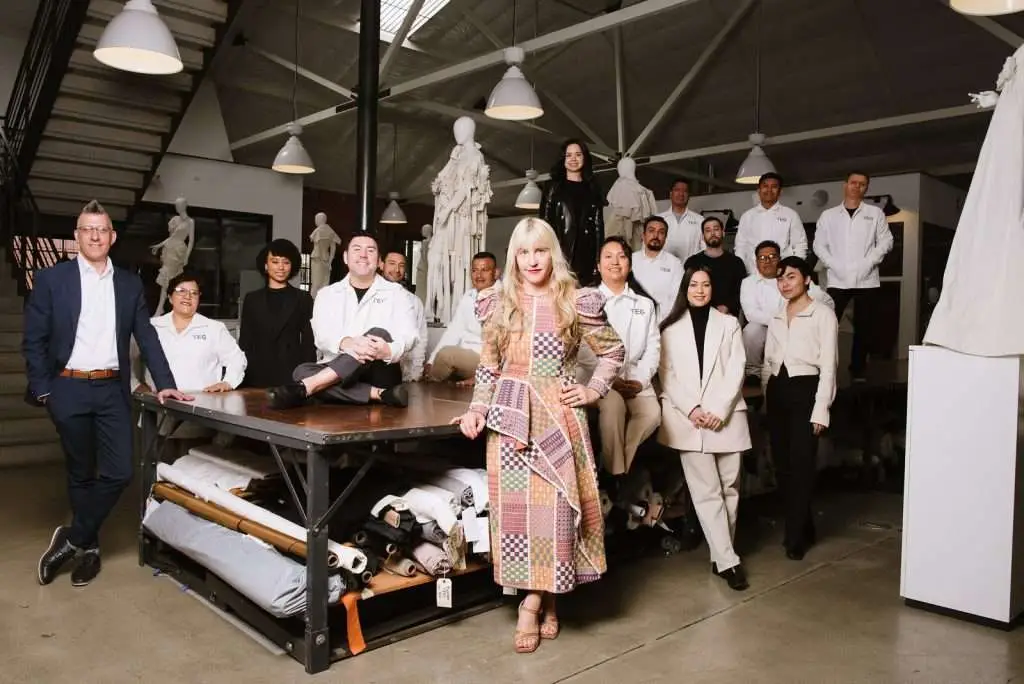
Programs specifically designed for emerging designers can provide this structured support. The Evans Group (TEG) founder Jennifer Evans offers dedicated mentorship program that focuses on guiding designers through early brand development.
What to Look for in a Fashion Business Mentor
Not all mentorship is created equal. The most effective mentors have hands-on experience with manufacturing, production, and brand operations, not just theory. They understand timelines, costs, and constraints because they have worked within them.
Designers should be cautious of mentors who promise fast success or use one-size-fits-all strategies. Fashion is nuanced, and good mentorship adapts guidance to each brand’s goals, resources, and stage of development.
How Mentorship Shortens the Learning Curve
Fashion is an expensive industry to learn through trial and error. Mentorship allows designers to learn from someone else’s experience instead of repeating avoidable mistakes. This shortens the learning curve significantly, saving both time and capital.
Equally important, mentorship builds confidence. When designers understand why they are making certain decisions, they stop guessing. Clarity replaces hesitation, and progress becomes intentional instead of reactive.
Final Thoughts: Mentorship Turns Designers Into Brand Builders
Building a fashion brand is not about talent alone. It is about strategy, execution, and informed decision-making. Business-focused fashion mentorships give aspiring designers the tools to navigate the industry realistically, not romantically.
By learning the business side early, designers position themselves for longevity rather than burnout. Mentorship does not remove challenges, but it ensures designers face them prepared, supported, and informed. For those serious about launching a brand, mentorship is not a shortcut. It is a foundation.