Sourcing Natural Fibers for Your Fashion Collection
August 26, 2025
When creating a bespoke clothing line, you likely have your mind set on what the finished product will be. But before planning out clothing manufacturing, you need to consider different materials. The fashion industry is unfortunately home to a bevy of environmentally unfriendly clothing manufacturing and textile dyeing methods. That’s why taking advantage of natural fibers in fashion design is a fantastic way to create ethical and sustainable fashion.
What Are Natural Fibers and Fabrics?
 Natural fibers and fabrics come from natural sources, like plants and animals. When launching a fashion collection, these two categories play a massive role in how your finished product looks and feels. Most of the time, the natural fibers are woven into yarn and eventually produced into a workable material used to create your own clothing line. You’ll soon find out why using sustainable materials is a great way to not only make your clothing line stand out, but stand the test of time, too.
Some of the most popular and widespread fibers and fabrics ditch chemicals, synthetics, and negative environmental impacts.
Cotton
This is the most common natural fiber in the world. Made up of cellulose, it has a long list of benefits and few cons. For example, cotton is durable, diverse, and easier to maintain than other natural fabrics. Its wearability is unmatched, and it’s part of a majority of clothing items in stores everywhere. Breathable and naturally hypoallergenic, cotton does it all.
Jute
Known as the ‘Golden Fiber,’ this hemp-like fiber is perfect for clothing lines that need burlap cloth. It’s extremely popular in countries like India but hasn’t caught on in the West like other natural fibers.
Jute is rough, durable, and mainly used for industrial purposes. If you’re into reusing and recycling clothing, jute is your natural fiber of choice. Although it may take some finesse and expert craftsmanship, you can end up making fantastic products with jute. Just watch out for the scratchy feel!
Hemp
This is one of the most eco-friendly natural fibers available. While it’s a trendy topic with certain people, hemp has a lot of pros. It requires less water, less space in the garden, and is easy to plant. Growing and using hemp is a real win-win situation. Overall, it’s highly diverse, eco-friendly, and, you guessed it, durable.
Silk
This natural fiber has been a prevalent option for fashion designers and clothing manufacturers for years. And we can see why.
This natural fiber from silkworms is shiny, attractive, durable, and luxurious.
There are current advancements in synthetic fibers, namely in synthetic silk. Could this development in durable synthetic fiber, along with a more eco-friendly development process, be a good alternative for silk? Only time will tell. In the meantime, silk has a beautiful natural appearance that is sought after the world over. The downside to silk is that it can carry a hefty price tag.
Wool
This natural fiber stems from the hair of animals like goats, sheep, and alpacas. As with other natural fibers, wool is durable. This water-resistant natural fiber is perfect for outerwear like winter hats, sweaters, and more. If you want to keep warm during a harsh winter, this is the natural fiber for you.
Linen
Coming from the flax plant, linen is known for being soft to the touch. Linen is, you guessed it, durable. Linen is perfect for clothing lines, as well as creating household items like tablecloths and sheets. It’s even used as thread in clothing manufacturing.
Leather & Pleather
Leather is an amazingly durable, smooth, and fashionable option found in clothing lines. Pants, jackets, wallets, shoes, boots; leather is everywhere.
Leather’s more ethical counterpart, pleather, is a synthetic form made from plastic. The main building blocks are polyvinyl chloride (PVC) and polyurethane. Unfortunately, while pleather is good for saving the animals, it presents an environmental roadblock by depending on oil, plastic, and chemicals. Regardless of using leather or pleather, TEG is happy to help independent fashion designers find their fabric of choice.
Bamboo
Coming from the fibers of the bamboo plant, the cellulose in bamboo makes it both durable yet soft. Although mainly used in only certain fashion design areas, technology is allowing bamboo textiles to take off. With its growing popularity and one-of-a-kind cellulose structure, bamboo textiles are well worth monitoring for their future in fashion design.
Now that we’re familiar with some highly used natural fabrics and fibers, let’s see why they’re essential to creating ethical and sustainable fashion.
Natural Fiber vs. Synthetic Fiber
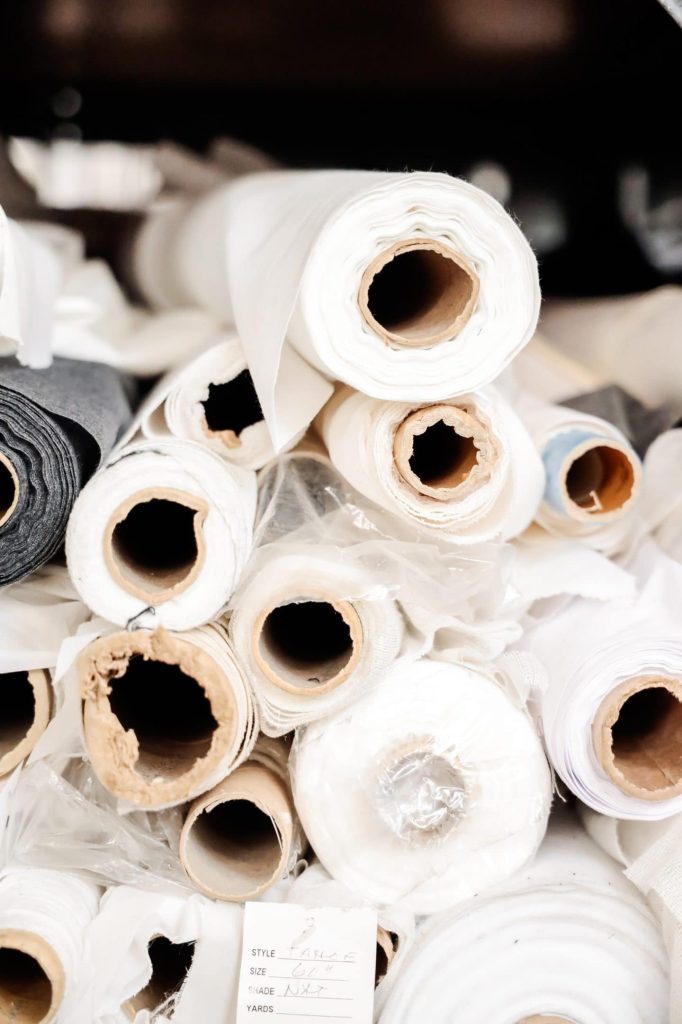
There’s an important distinction between synthetic and natural fiber. With natural fiber, emerging independent fashion designers with cleaner, eco-friendly methods of developing clothing lines.
However, that doesn’t automatically mean that synthetic material isn’t sustainable in its own way.
Is Natural Fiber ‘Better’ Than Synthetic Fiber?
It depends on what you’re looking to get out of your clothing line.
Are you focused on lessening the environmental impact of the fashion industry? Then you’ll want to seriously consider natural fibers over synthetic.
However, a few synthetic fibers are helping us make valuable progress toward lowering carbon footprints everywhere. One such fiber is Tencel.
The Unique Case Of Tencel
For example, the development of Tencel, an offshoot of lyocell, is an excellent stride toward eco-friendly synthetic fabric. Tencel is a unique synthetic fabric in that it’s made from wood chips and is biodegradable. Think of something like polyester. Polyester requires so much more in terms of environmental cost.
Fashion blogger Summer Edwards writes about polyester:
“[Polyester] requires more than double the energy of conventional cotton to produce. The production of polyester uses harmful chemicals, including carcinogens, and if emitted to water and air untreated, can cause significant environmental damage.”
Edwards also notes that, along with harmful chemicals, polyester production also presents a grim prospect for local residents around factories with lower ethical standards.
“Most polyester is produced in countries such as China, Indonesia, and Bangladesh where environmental regulations are lax, and air and water pollution is often discharged untreated, resulting in significant pollution and harm to communities in the vicinity of (as well as downstream and downwind of) manufacturing plants.”
And it’s a shame, too, since polyester is such a versatile fabric.
But enough about polyester! We’re talking about the helpful synthetic fibers in the fashion industry.
Should You Use Tencel?
Is Tencel sustainable? Yes. Tencel is biodegradable and derives from wood.
Is Tencel better than natural fibers like cotton and linen? No. It still requires considerable chemical treatment in its production process.
However, Tencel is a fantastic alternative to other synthetic fabrics. Its use helps the entire textile industry move in a more sustainable, environmentally-friendly way.
If you include Tencel and other similar materials in your fashion designs, you’re well on your way to developing a stunning product using cellulose plant material. If you want versatility with garment strength and weave, Tencel is a great alternative.
So when you’re considering sustainable fabric sourcing, don’t immediately count out some newer, more eco-friendly synthetic options. You may be surprised as to what you can create.
3 Reasons To Use Natural Fibers in Fashion Design
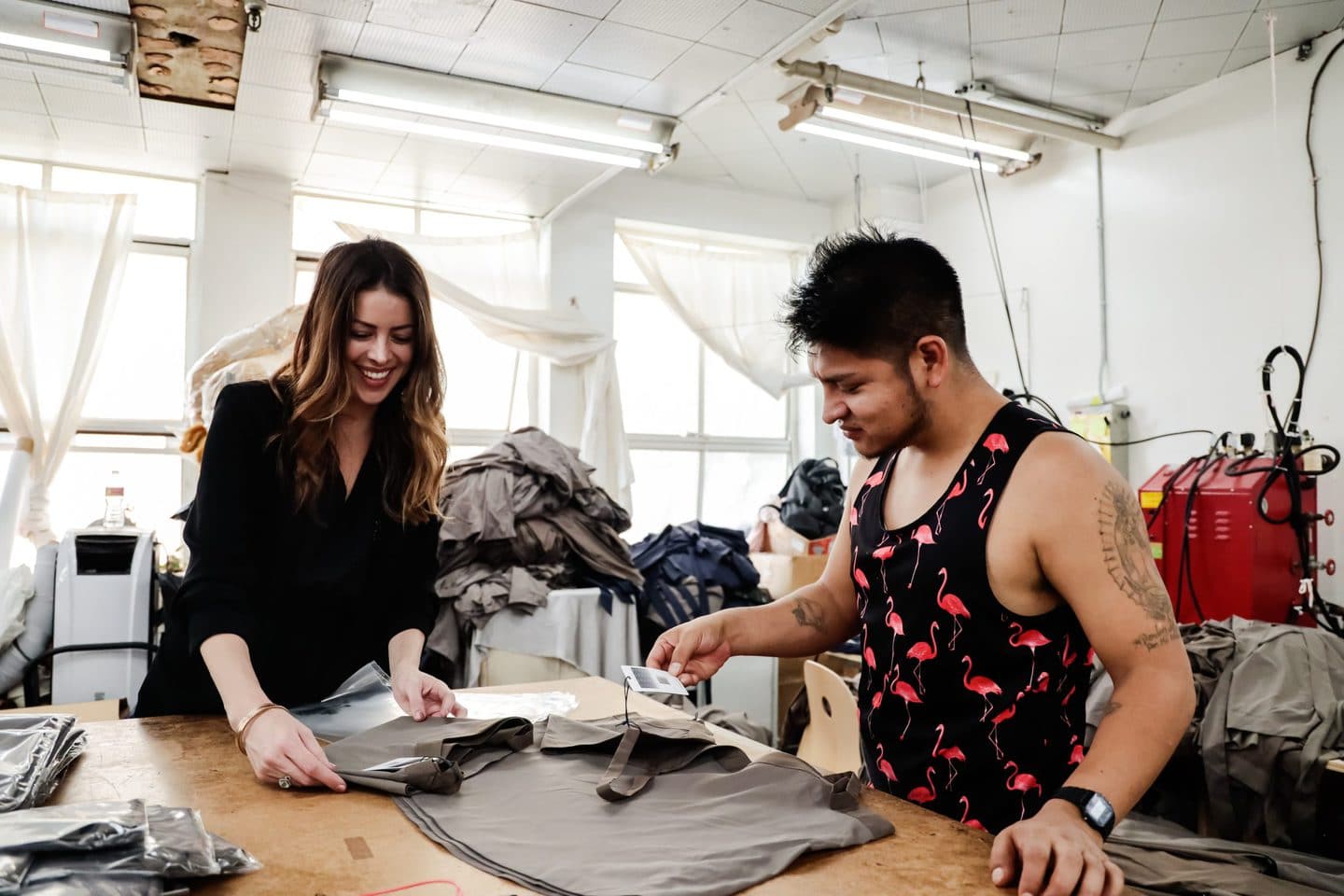 Why use natural fibers? We’re confident that we can convince you to go all-in with natural fibers. Here are just three reasons why cotton, silk, and wool can benefit you more than synthetic fabric.
Natural Fibers Are Better for the Environment
Unfortunately, with fast fashion taking center stage in fashion news, fashion designers are searching for a method to lessen the environmental impact.
They use fewer chemicals in the production process and have a much less significant environmental impact than synthetic fibers. 20% of water pollution on Earth comes directly from textiles. That’s a staggering and sobering number. However, using these fabrics and fibers helps you cut down on that statistic. And at The Evans Group, we’re always looking to cut back on negative environmental impact.
But if the benefits of using natural fibers weren’t enough, these fabrics and fibers are biodegradable.
Natural Fibers Are Durable
A common ‘thread’ throughout all fibers and fabrics is that they can undergo a ton of stress without losing their integrity. Find us any sustainable fiber, and we’ll show you how durable it can be.
Nearly all plant-based natural fibers are highly durable. This is because of cellulose, part of the cell structure of plants. Cotton, linen, and hemp are some of the most durable natural fibers you can manufacture clothes with. The fibers are already prepared for the stress test well before the clothing manufacturing process happens in TEG’s Los Angeles production studio.
When an emerging fashion designer designs their first clothing line, they want it to last. When using natural fibers like cotton and linen, people can expect durable, long-lasting garments that will undoubtedly impact the industry.
Natural Fibers Help Your Skin
Unlike their synthetic counterparts, natural fibers have more absorption capabilities. This means that natural fabrics like wool and linen can keep your skin dry and prevent uncomfortable sweating. If you’re susceptible to sweating, fibers like linen are an absolute must in your wardrobe. Although great for clothing, it can also help you beat the heat when sleeping with some linen bedsheets.
Plus, natural fibers like cotton are hypoallergenic. Synthetic fibers like nylon can easily give someone with sensitive skin an allergic reaction. These natural fibers help people avoid unpleasant allergic outbreaks with their natural properties.
In short, natural fibers can do great things for sensitive skin.
Conclusion: Creating Sustainable Fashion With Natural Fibers
As far back as your expert fashion sketches, you should consider which natural fiber you will use for your clothing samples.
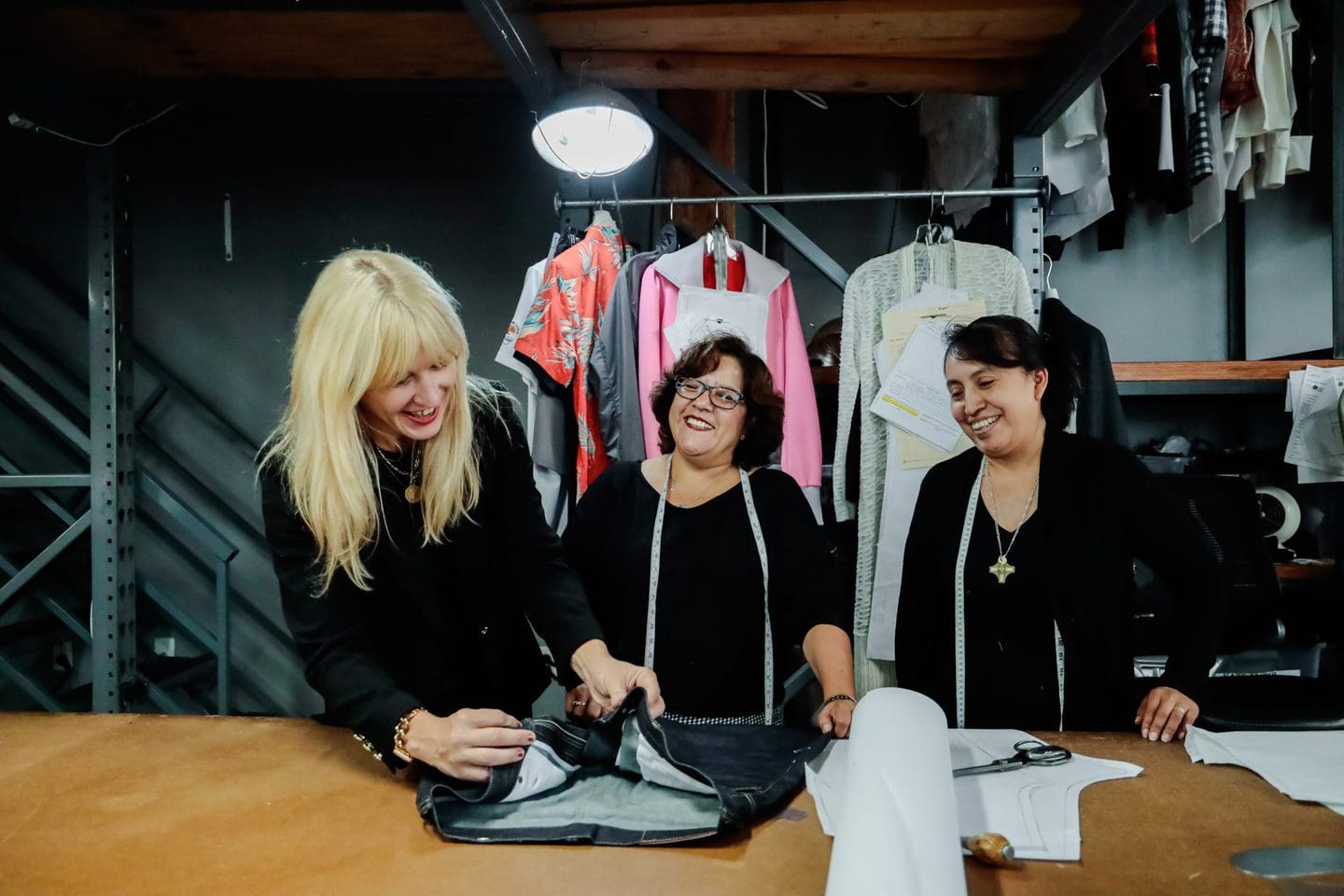
The Evans Group’s creative experts help emerging and established fashion designers think of, plan out, and produce clothing lines. As such, an indie fashion designer can pick the fibers and materials to use in their clothing line with the TEG fabric sourcing expert.
Using Natural Fiber To Launch Your Own Clothing Line
We’re an American clothing manufacturer based in Los Angeles. As such, we focus on community and helping to prop up independent clothing designers. Whether it’s cotton, hemp, jute, or even Tencel, using these sustainable materials during production is a great way to promote environmentally-friendly products.
When working out of the Los Angeles clothing manufacturing studio, the TEG team ensures that all clothing line items are of the utmost quality. Fashion designers have their developing clothing line undergo multiple quality checks throughout the garment manufacturing process. Talented team members ensure that all fabric sourcing is done with ethical and sustainable practices in mind. This is a comforting ‘pro’ to using the TEG clothing manufacturing studio in Los Angeles for the emerging fashion designer with an environmental bent.
Contact TEG
Have any more questions about what we can do to help you create the clothing line of your dreams? Fill out the form below and get in contact!
Looking to learn more about fabric sourcing and treatment? We got you:
- Pleating, Embroidery and Quilting. Sourcing Specialty Fabrics for Your Line.
- Finding The Best Clothing Fabric For Your Next Collection: A Guide
- 11 Industry Sewing Tips for Delicate Fabrics
- Fabric Sourcing: 5 Expert Tips Every Fashion Designer Should Know
- A Guide to Denim Washes and Techniques
- Choosing Your Fabrics and Trims
- How to Navigate a Fabric Trade Show